
SIM Card Swapping: Risks, Protection and Security Tips
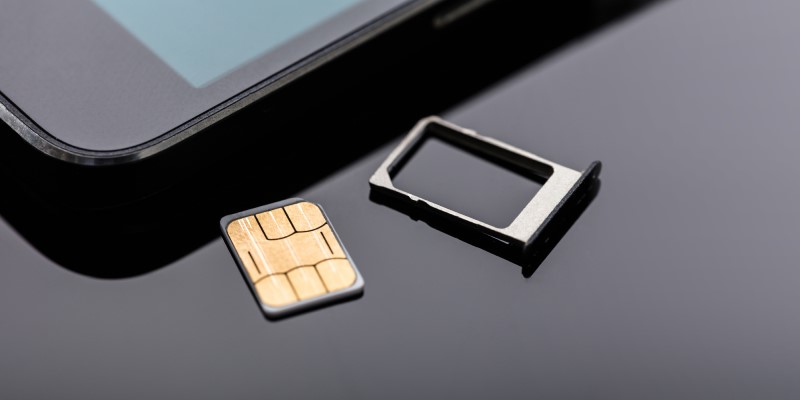
When it comes to mobile device security, taking the proper safety precautions while online or using social media is typically the first line of defense. This has become more important than ever, as recent rises in SIM card swapping attacks are causing concern. Here, we will discuss the risks associated with SIM card scams, signs you’ve fallen victim and essential security tips to safeguard your mobile identity.
What is SIM card swapping?
For your smartphone to function properly, it requires a chipped card referred to as a subscriber identity module, or SIM card for short. The SIM card contains and stores the necessary data that allows you to make calls and send texts to your contacts. It is what ties your phone number to your personal device.
SIM card swapping, also referred to as SIM jacking, occurs when a scammer seizes ownership of a phone number by tricking a provider into switching a SIM card to a device that they control. This can be done through a variety of techniques, but most commonly attackers rely on social engineering tactics to successfully take ownership of your phone number without your authorization.
If scammers are able to gather enough personally identifiable information (PII) about you, whether through phishing scams, social media research or through the dark web, it could be relatively simple for them to contact your carrier, bypass security questions and successfully make the SIM card switch without you or the company’s knowledge.
If a hacker is able to port your phone number to their device, they then can gain access to your communications. They can read messages between you and your contacts, receive multi-factor authentication (MFA) codes to access your accounts or steal confidential information that is sent to you by your bank, employer, an online retailer or other organizations you do business with. That unfettered access is what makes SIM card swapping a serious threat to digital safety and security.
Stealing an individual’s SIM card for malicious use may sound like an extensive, complicated attack that seems unlikely. Yet figures from the Federal Bureau of Investigation show that reports of SIM swapping increased 26% from 2021 to 2022, and the agency reports more than $80 billion has been lost to SIM card hacking since 2018.
Signs your SIM card has been hacked
In some cases, it might not be immediately obvious someone has swapped your SIM card and stolen your information, but there are a few signs to look for:
- You’re notified by your phone provider | Pay attention to communications from your phone provider, as they should notify you if a SIM card has been activated on a new device.
- You’re unable to make calls or send text messages | If your phone has stopped functioning properly or you are no longer able to access cellular data, this is the most obvious sign someone has potentially deactivated your card and is using your phone number.
- Suspicious activity | If you notice transactions or purchases you don’t remember making, it is possible a fraudster has gained access to your credit card. Check your search history, email activity and social media accounts for anything unfamiliar, as hackers who have gained access to your logins may be seeking further information about you to steal other financial information.
How to protect against SIM card swapping attacks
Proactive measures are key to protecting yourself and your privacy against these evolving kinds of cyber attacks. Stay ahead of the risks, regularly reassess and update your personal online security practices to adapt to evolving threats.
- Use strong duo authentication methods | Though text and email MFA methods are still a strong security standard to practice, consider using other biometric methods like fingerprinting or facial recognition whenever available, as they provide an added barrier that is more difficult to hack.
- Set up a passcode with your mobile carrier | Explore whether your carrier offers any additional security features and utilize them if available. To avoid unauthorized SIM card changes, set up a password or PIN within your account. Keep your contact information with your carrier up to date to ensure you receive prompt notifications should any suspicious activity occur.
- Monitor activity on all accounts | Keep a close eye for any unusual activities within your online accounts. Be cautious about sharing personal information, especially on social media.
- Stay educated | Familiarize yourself with common social engineering tactics that are used to manipulate individuals into revealing sensitive information, like phishing, vishing or impostor scams. If you know what to look for, the easier it will be to spot an illegitimate communication.
Attackers are constantly updating their tactics, often trying to pit our own technology against us. Make sure you know the risks you may face and stay vigilant for the signs that your data may be compromised.